BMW Common Problems: A Guide for Owners & Buyers
By GrailCar Collective
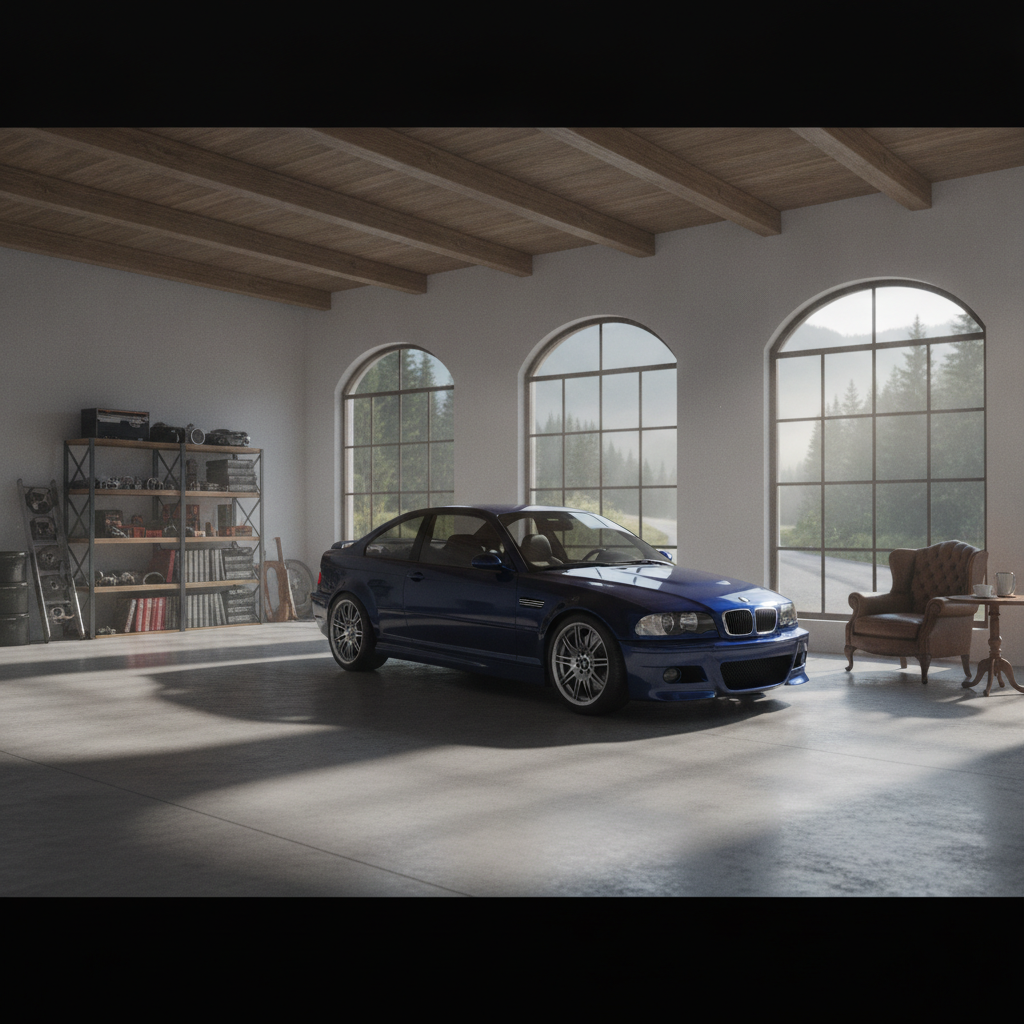
BMW cars have long captivated enthusiasts with their blend of performance, luxury, and driving engagement. This reputation for engineering excellence often comes with specific maintenance considerations that owners and prospective buyers should understand. While a well-maintained BMW can provide years of exhilarating driving, certain common problems are known across various models and generations. Being aware of these potential issues allows for better budgeting and more informed decisions when acquiring one of these iconic machines.
What are the most common mechanical problems across BMW models?
Across the BMW lineup, several mechanical issues frequently appear, often related to the materials used or specific design philosophies. The cooling system is a prime example; many BMWs, particularly those from the late 1990s through the 2010s, rely on plastic components for their water pumps, thermostats, and radiator end tanks. These plastic parts are prone to degradation and cracking over time, leading to coolant leaks and potential overheating. A common sign of impending failure is a slow drop in coolant level or visible leaks around the radiator or water pump housing.
Oil leaks are another persistent concern, frequently stemming from aging gaskets. The valve cover gasket and oil filter housing gasket are particularly susceptible to hardening and cracking, leading to leaks that can drip onto exhaust components, creating smoke and burning oil smells. Addressing these leaks promptly is crucial, not just for aesthetics but also to prevent damage to other engine components or a potential fire hazard. Suspension components, such as control arm bushings and ball joints, also experience wear, especially in models driven hard or on rough roads. Symptoms include clunking noises over bumps, uneven tire wear, and a less precise steering feel. When inspecting a car like a 2003 BMW Z4 3.0, which might be found at a price point of $2,500 with over 139,000 miles, these maintenance items are typically overdue or nearing their service life.
Do BMW 3 Series cars have specific common issues?
The BMW 3 Series, especially the popular E46 (1998-2006) and E90/E92/E93 (2005-2013) generations, exhibits some distinct common problems alongside the general BMW concerns. Owners of the E46 generation frequently encounter issues with the rear subframe mounting points tearing away from the chassis. This structural problem requires specialized repair and should be a serious inspection point for any potential buyer. Window regulators are also a notorious weak spot across many 3 Series models, with the plastic clips and cables failing, preventing windows from operating correctly.
For the E90 generation, fuel system problems become more prevalent, particularly with the high-pressure fuel pump (HPFP) on direct-injection engines, which we will discuss further. Beyond the engine, the E90 3 Series can suffer from issues with electric water pumps, which replaced the mechanical pumps in earlier generations. These pumps, while efficient, have a finite lifespan and can fail without much warning, leading to rapid overheating. Drive shaft flex discs (guibos) and differential bushings are also common wear items that affect the driving experience and can lead to vibrations or clunking sounds under acceleration. For those exploring options, you can browse BMW listings on GrailCar to see a wide array of 3 Series models.
What are the known problems with the BMW N54 engine?
The BMW N54 engine, a twin-turbocharged inline-six produced from 2006 to 2010, is celebrated for its tuning potential and performance but is also infamous for a handful of significant common problems. The most widely reported issue is the failure of the high-pressure fuel pump (HPFP). Symptoms include long crank times, engine stuttering under acceleration, and reduced power. BMW extended the warranty on these pumps for many vehicles, but older models may still face replacement costs.
Another common N54 engine problem is wastegate rattle. This occurs when the wastegate actuators, which control exhaust gas flow to the turbos, develop play, leading to a noticeable rattling sound, especially at idle or low RPMs. While not always performance-limiting, it can be an annoying characteristic. Fuel injector failure is also common, leading to misfires and rough idling. Early N54 injectors were particularly prone to failure, though revised versions are more robust. Lastly, the electric water pump and thermostat are common N54 engine problems, similar to other BMW engines of the era. Given the performance nature of the N54, potential buyers should thoroughly investigate its service history for these critical components.
Are BMW electrical problems common?
BMW electrical problems are a common topic among owners, ranging from minor annoyances to significant diagnostic challenges. Modern BMWs are equipped with complex electronic systems, and while these systems offer advanced features, they also introduce potential points of failure. Battery drain is a frequent complaint, often caused by modules that fail to "sleep" properly after the car is turned off, slowly discharging the battery. This can be exacerbated by short driving cycles that do not allow the battery to fully recharge.
Sensor failures are also quite common. ABS wheel speed sensors, camshaft position sensors, and crankshaft position sensors are known to fail, leading to warning lights on the dashboard and sometimes affecting engine performance or transmission shifts. Older models, particularly those with the iDrive infotainment system, can experience issues with the controller or display unit. Wiring harness degradation, especially in areas exposed to heat or moisture, can also lead to intermittent electrical issues. When considering a used BMW, especially one like a 2004 BMW Z4 5-Spd Manual listed as salvage for $5,995, a thorough inspection of all electrical systems is paramount to avoid unexpected repair bills. For those ready to explore the market further, our guide to finding your dream used BMW for sale at GrailCar Collective offers valuable insights.
Frequently Asked Questions
Are BMWs expensive to maintain?
BMWs generally have higher maintenance costs than many mainstream brands due to their sophisticated engineering, specialized parts, and the labor rates associated with skilled technicians. Proactive maintenance can help mitigate some of these costs.
What is the most reliable BMW engine?
While reliability can be subjective and depends on maintenance, engines like the M50/M52 inline-six (found in E36/E39 models) and later naturally aspirated N52 (E90/E60 models) are often cited for their relative robustness compared to some of their turbocharged counterparts.
How often should I service my BMW?
BMW's Condition Based Service (CBS) system typically dictates service intervals based on driving style and sensor data, but many enthusiasts opt for oil changes every 5,000-7,500 miles and comprehensive inspections annually, regardless of CBS recommendations.
What should I look for when buying a used BMW?
Always check for a complete service history, pay attention to any dashboard warning lights, listen for unusual engine noises, check for fluid leaks, and inspect the cooling system components. A pre-purchase inspection by a BMW specialist is highly recommended.